The Peer Experiences Project is a three-year, NIJ-funded longitudinal study examining bias-based harassment among adolescents using a nationally representative sample. This collaboration between Syracuse University and Boston University focuses on identifying risk and protective factors across multiple social contexts.
Project Overview
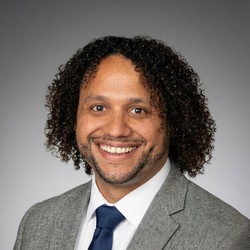
Principal Investigator: Dr. Gabriel J. Merrin (Syracuse University)
Co-Principal Investigator: Dr. [Collaborator Name] (Boston University)
Funding: National Institute of Justice (NIJ)
Duration: 2021-2024
Sample: Nationally representative sample of adolescents
Key Objectives
- Map prevalence and patterns of identity-based harassment across different demographic groups
- Identify social-ecological predictors of bias-based harassment perpetration and victimization
- Examine long-term consequences of harassment experiences on academic, social, and psychological outcomes
- Develop evidence-based recommendations for schools, communities, and policymakers
Research Innovation
This study employs cutting-edge methodological approaches including:
- Advanced longitudinal modeling techniques
- Machine learning applications for pattern identification
- Social network analysis of peer relationships
- Multi-informant data collection (students, teachers, parents)
Impact & Dissemination
Findings from this project will directly inform:
- School-based prevention programming
- Policy recommendations for educational settings
- Training materials for educators and administrators
- Evidence-based guidelines for supporting LGBTQ+ youth
Learn More
Visit the Peer Experiences Project website for:
- Latest research findings and publications
- Resources for educators and families
- Information about participating in research
- Updates on project milestones and impact